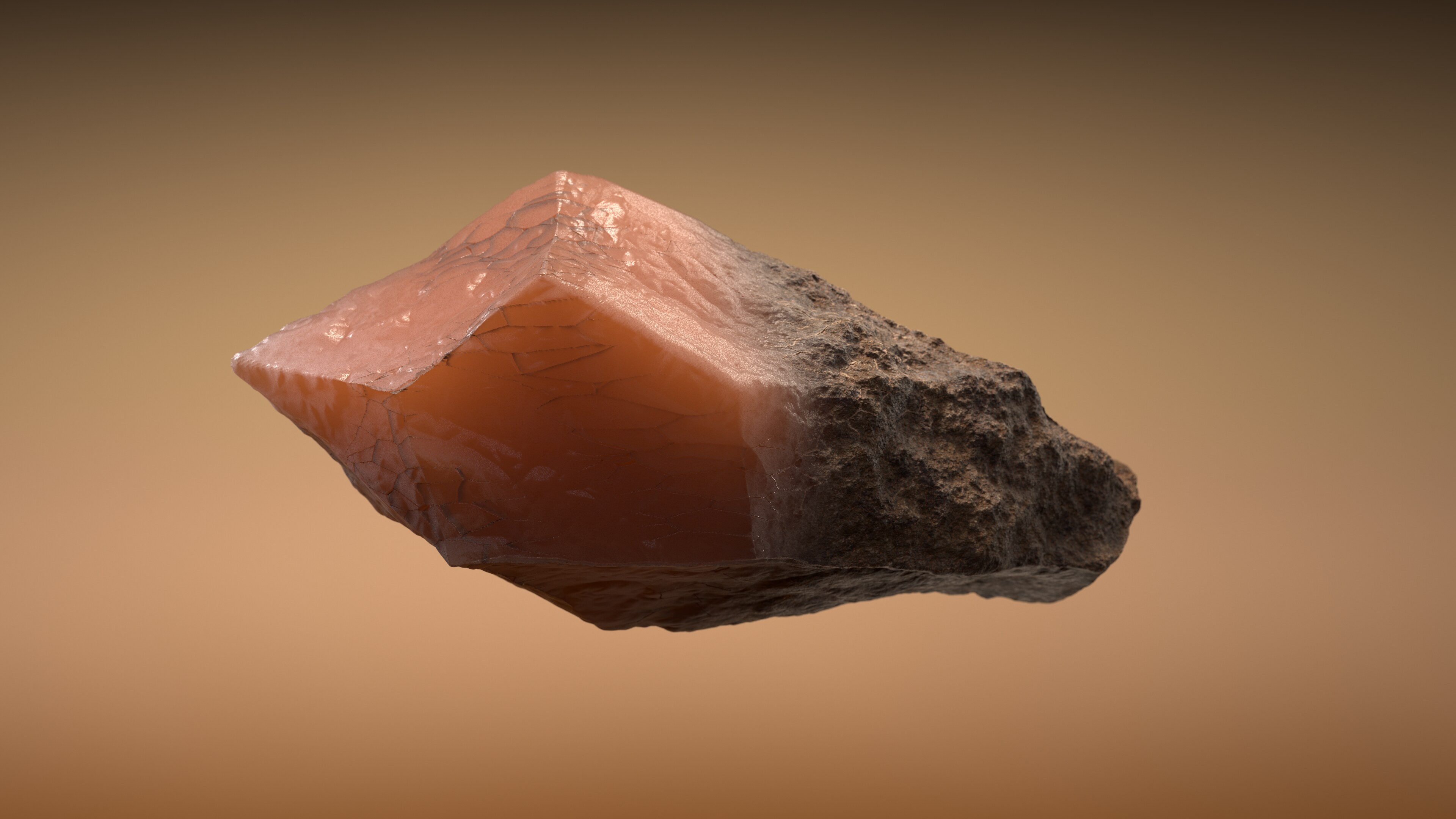
Europe has a problem hiding in plain sight. Beneath our feet lies enough geothermal energy to power the continent for centuries, alongside critical mineral deposits that could end our dependence on hostile supply chains. Yet most of it remains locked away, trapped in rock formations so hard that conventional drilling becomes economically impossible.
Europe’s industrial base needs two things to thrive over the next decades: secure, clean energy and resilient access to critical minerals. Both depend on reaching deep, hot, hard rock cheaply and reliably.
Conventional drilling stalls in exactly those conditions. That is why geothermal heat at scale and many mineral deposits remain economically out of reach.
Hades is building a step-change in subsurface access: a non-contact drilling system designed to keep penetration rates high where mechanical bits fail. It’s a technical breakthrough with strategic consequence: the same capability can unlock deep geothermal heat and critical mineral access with significantly better economics.
We’re partnering with Max and the Hades team on this mission because their approach is rooted in first-principles engineering, they have hard-earned domain experience, and most importantly, because their ambition matches the magnitude of the problem.
Hard rock formations contain both the heat to power Europe and the minerals to secure its re-industrialisation, manufacturing and defence. Currently, the easiest-to-reach deposits sit in China, creating unilateral dependencies that recent events have shown to be strategically dangerous.
The challenge is not geology, but getting there economically.
Two consequences matter:
Where conventional systems achieve ~0.5 metres per hour in hard formations, contactless architecture has the potential to sustain much higher penetration rates without the wear-related downtime that kills project economics.
Beyond speed and reliability, the non-contact approach eliminates the need for open-pit excavation, avoiding the community displacement and environmental damage that traditional mining creates. The same core capability advances in-situ recovery (ISR), circulating fluids through deep rock formations to extract minerals with minimal surface disruption compared to traditional mining methods.
What we believe makes this architecture compelling:
Several tailwinds are converging:
Max is one of the most driven founders we've met: singularly focused, relentlessly recruiting, and comfortable living at the edge of what's technically possible. The lab results made it clear this wasn't some theoretical science project. The physics worked. Now it was about building something that could do it reliably in the field.
Björn has shipped complex hardware from zero to one in aerospace during his time at Isar Aerospace. Dan brings deep expertise from leading optics and laser teams at Marvel Fusion.
Together, they combine first-principles problem solving with the operational discipline required to turn lab results into field-ready hardware.
We’ve been exploring energy and resource resilience for years. The common thread among winners is a technical step change that converts a physical bottleneck into an engineering problem with a solvable cost curve.
Hades fits that pattern. They are targeting an order-of-magnitude improvement where the payoff – equipping Europe with abundant, local geothermal heat and a more secure mineral base – has macro-scale significance.
Every now and then, timing, talent, and technology line up. Hades is tackling a problem that matters with an approach that could reset the economics of going deep.
If they’re right, Europe’s homes and factories could tap dependable geothermal heat, and critical minerals could be sourced with greater autonomy. If Europe is serious about both clean heat and credible deterrence, it needs domestic access to its subsurface.
That's a future we believe is worth building towards, and we're committed to helping Hades make it a reality.